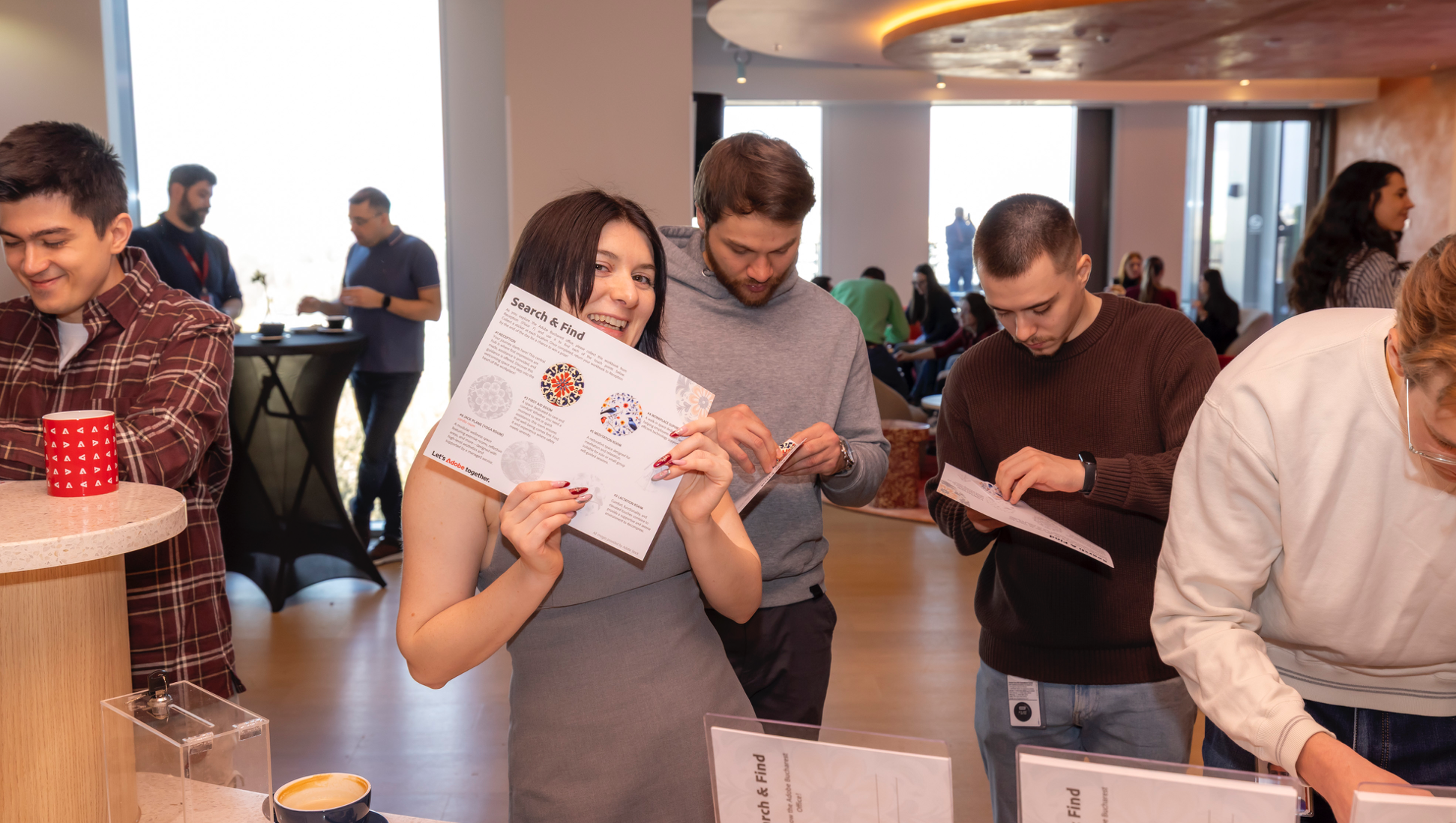
Day 1 Office Activations
Designing first-day experiences that shape how people adopt, navigate, and connect within new environments.
Role: Experience Strategy & Design Lead
Scope: Pop-up experiments → Day 1 framework for office openings
1. Overview
Opening a new office is not just a logistical milestone, but a critical first experience that shapes how people understand, navigate, and connect within a new environment.
I led the design of a scalable “Day 1” experience framework that helps employees quickly build confidence, understand how to use the space, and feel connected to the workplace community.
The work began through lightweight pop-up activations that tested how people naturally gather and interact in different environments, and evolved into a repeatable onboarding framework piloted in Culver City and designed to scale across future office openings globally.
Impact
Designed a scalable Day 1 framework for all future office openings
Improved employee understanding and adoption of new spaces
Increased connection to site and community
Prototyping Connection in Space
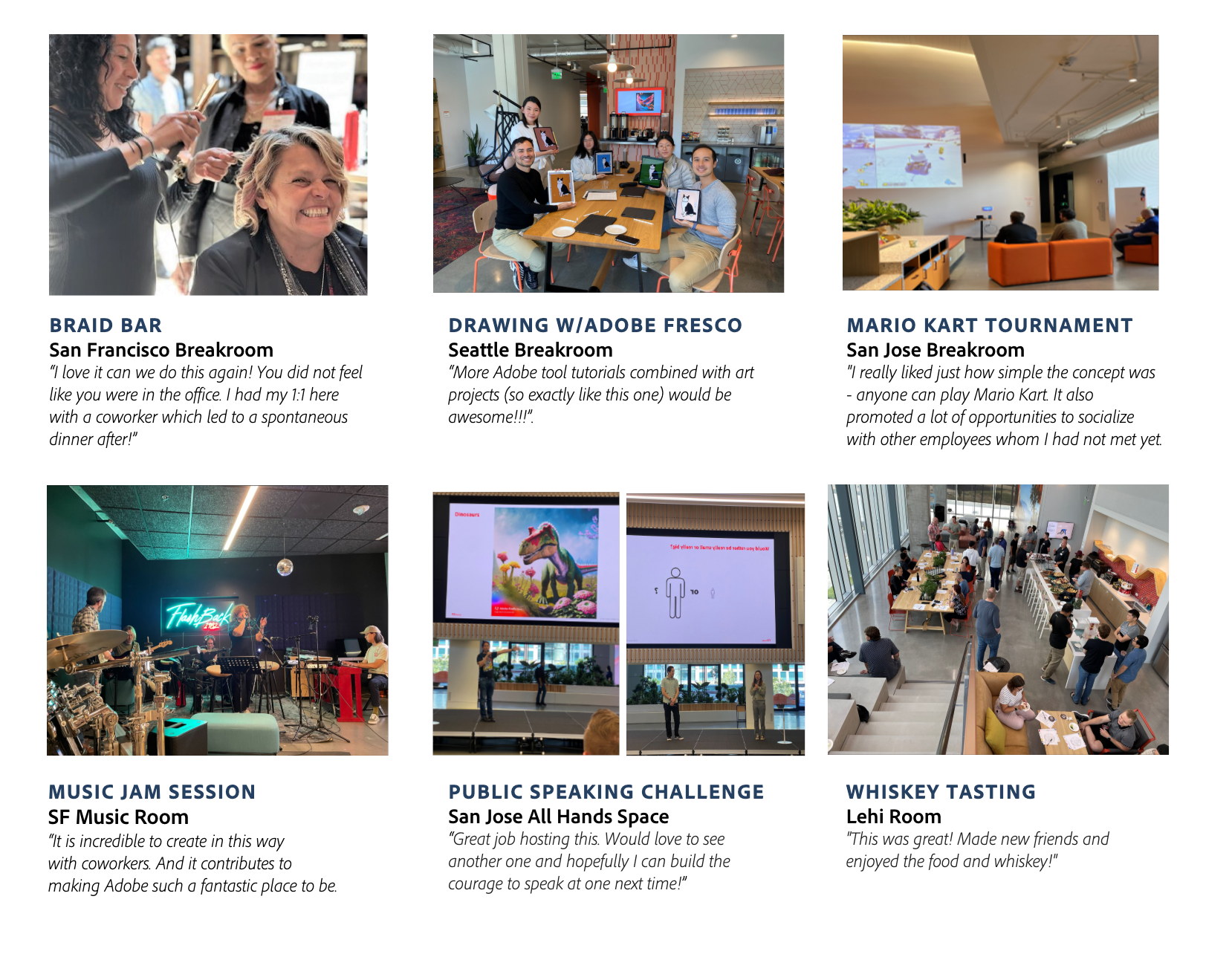
Pop-up activations tested how small, unexpected experiences could transform underutilized spaces into places of connection.
These experiments were intentionally lightweight, informal, and experiential, allowing us to observe how people naturally interact and gather in different environments.
What Drives Connection in Space
Interest-based activities create more natural interaction
Informal participation lowers barriers to connection
Space shapes how people gather, move, and engage
Lightweight activations can shift how people perceive and use an environment
Impact:
92% felt more connected to the community
87% connected with people with similar interests
78% met new people
Music Jam activation led to a sustained monthly Open Jam over 2+ years
Mario Kart tournament model scaled to Tokyo, London, and other large gathering spaces
Designing the Day 1 Experience
Part 1: What employees need on Day 1
I started by identifying what people need to feel confident, welcomed, and connected when entering a new environment for the first time.
Understand how to navigate the space
Feel comfortable using shared environments and services
Build familiarity with community norms and behaviors
Create early moments of interaction and belonging
Reduce uncertainty and friction
Part 2: Experience framework
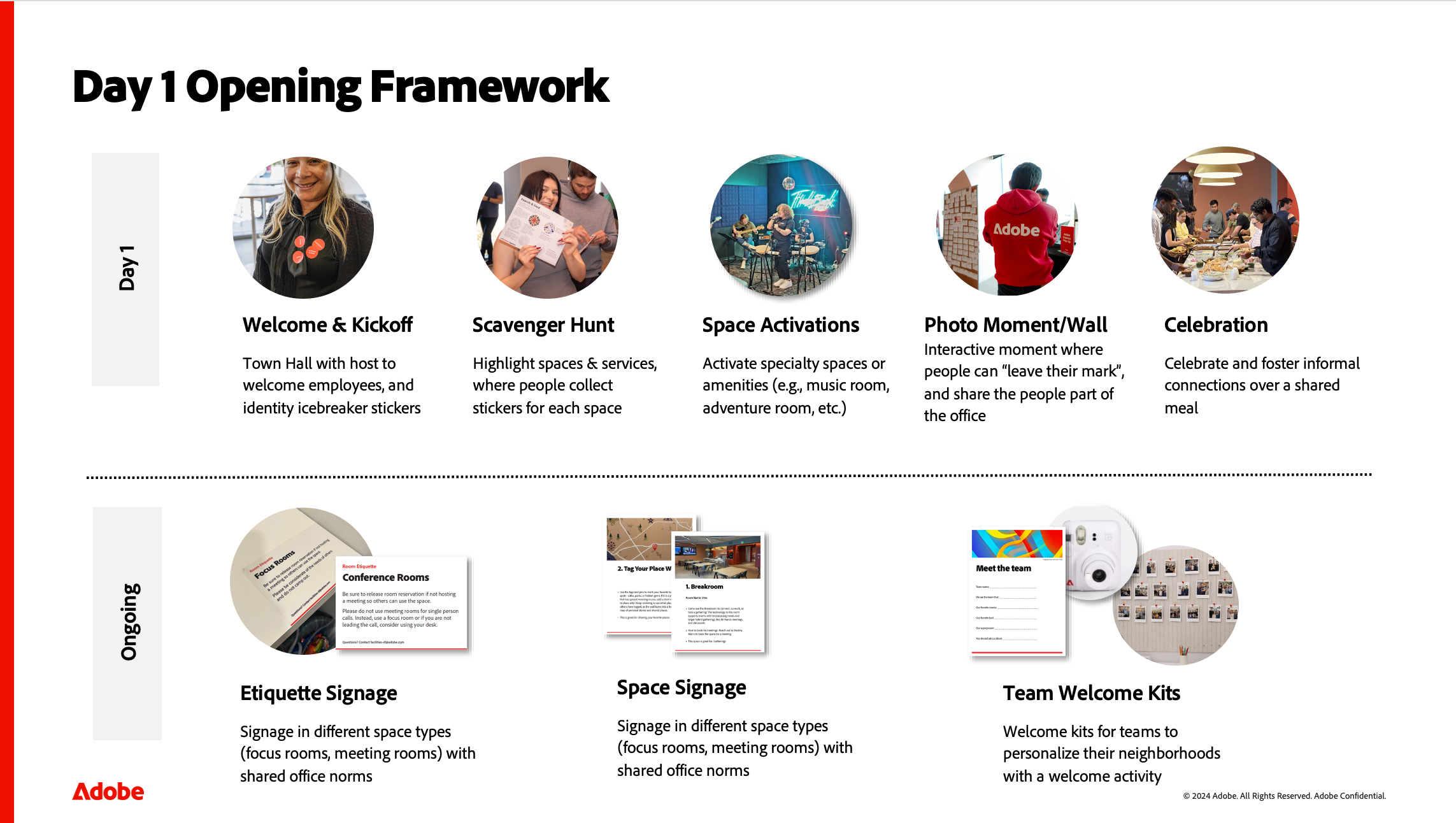
The Day 1 experience was designed as a sequence of intentional moments that guide people from arrival to participation and connection.
Rather than creating a one-time event, I developed a repeatable framework that could adapt to different office contexts while maintaining a consistent experience across locations.
Through signage, prompts, and interactive activities, I designed for behaviors such as exploration, collaboration, and shared norms, helping employees feel comfortable navigating and participating in the environment.
Part 3: Piloting the framework
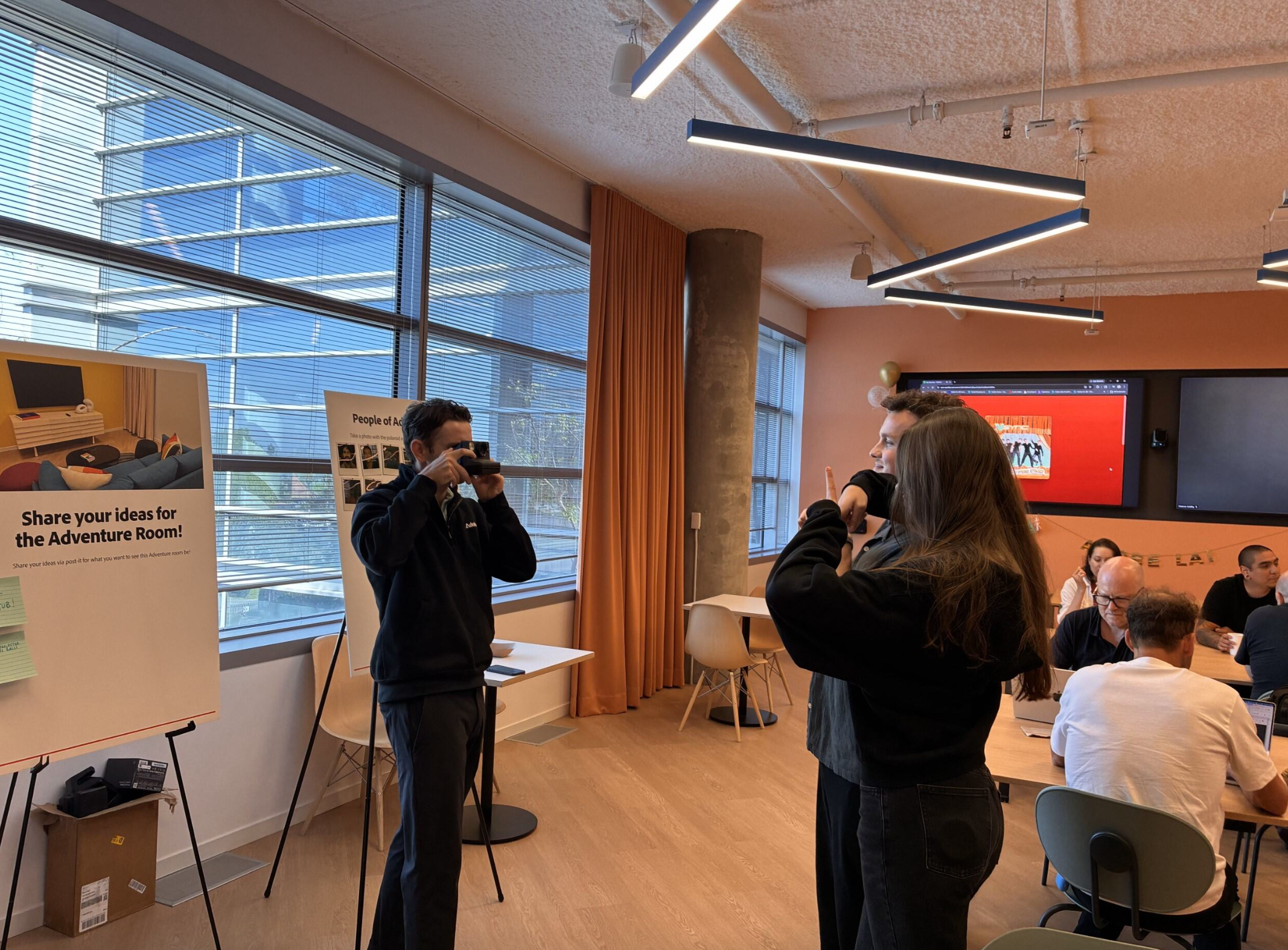
I piloted the Day 1 experience in Culver City, testing how employees interacted with the space, activities, and each other.
By observing behavior and gathering feedback, I iterated on formats such as scavenger hunts, signage, and activation moments to improve clarity, engagement, and connection.
What Participants Said
“I valued the interaction, making use of the whole space and all the building’s amenities for the day, and also testing the waters when it’s a bustling day in the office.”
85%
Agreed that this event accelerated their understanding of how to use spaces in the office.
92%
Agreed that the event helped them feel more connected to the Adobe LA community.
What Makes a Great First Day Experience
The first moments of an experience shape how people perceive, navigate, and engage with a space.
The most effective interventions were experiential rather than informational, creating opportunities for people to explore, participate, and connect in ways that felt natural and intuitive.
A strong first-day experience helps people feel welcomed, confident, and connected, turning unfamiliar environments into places people want to return to.